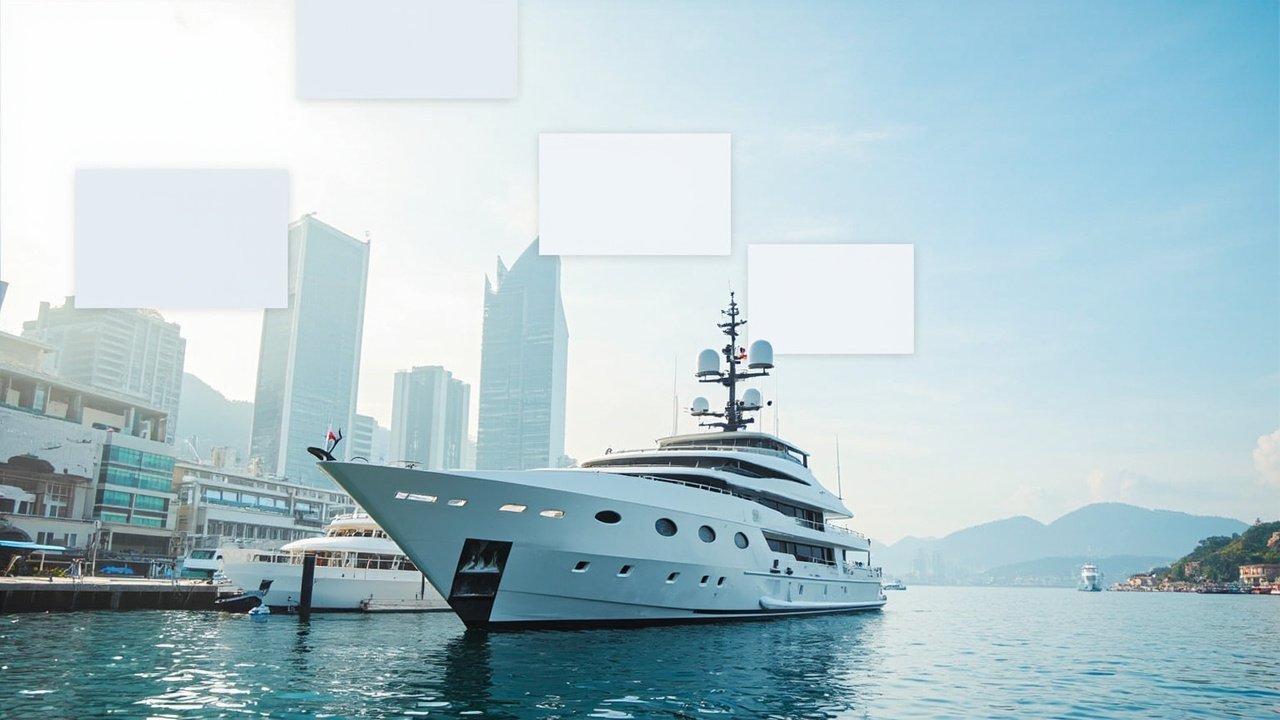

Hong Kong Yacht Typhoon Season Checklist: What Owners and Management Teams Should Prepare
Meta title: Hong Kong Yacht Typhoon Season Checklist | VOY Management
Meta description: A practical Hong Kong yacht typhoon checklist for owners and management teams: berth risk, mooring lines, bilge pumps, documentation and post-storm checks.
Why typhoon preparation is a management system, not a last-minute job
For yacht owners in Hong Kong, typhoon preparation should not begin only when a high wind signal is already expected. The practical work starts much earlier: checking berth exposure, mooring lines, fenders, bilge pumps, batteries, canvas, loose equipment, insurance records and the communication chain between the owner, captain, marina and management team.
Public information from the Hong Kong Marine Department shows that designated typhoon shelter passage areas are set aside and published for inspection. This is a useful reminder that storm preparation is not simply about finding water space; owners must also consider navigation access, neighbouring vessels, mooring arrangements and the latest instructions from relevant authorities or berth operators.
H2: 30 days before peak typhoon exposure
H3: Review the current berth and surrounding risks
A yacht that looks secure on a calm weekday may face very different loads during a typhoon. Owners should review whether the berth is exposed to swell, whether nearby vessels or floating structures could become a risk, and whether the marina has any specific storm procedure. If the vessel is in a public or shared area, current instructions from the relevant authority or operator should be followed.
H3: Inspect lines, fenders and attachment points
Mooring lines should be checked for chafe, stiffness, UV damage and correct lead angles. Fenders should be sized and positioned for the actual contact points of the vessel, not simply hung as decoration. Bow, stern and spring lines should share loads sensibly, with chafe protection where required.
H3: Check bilge systems, drains and batteries
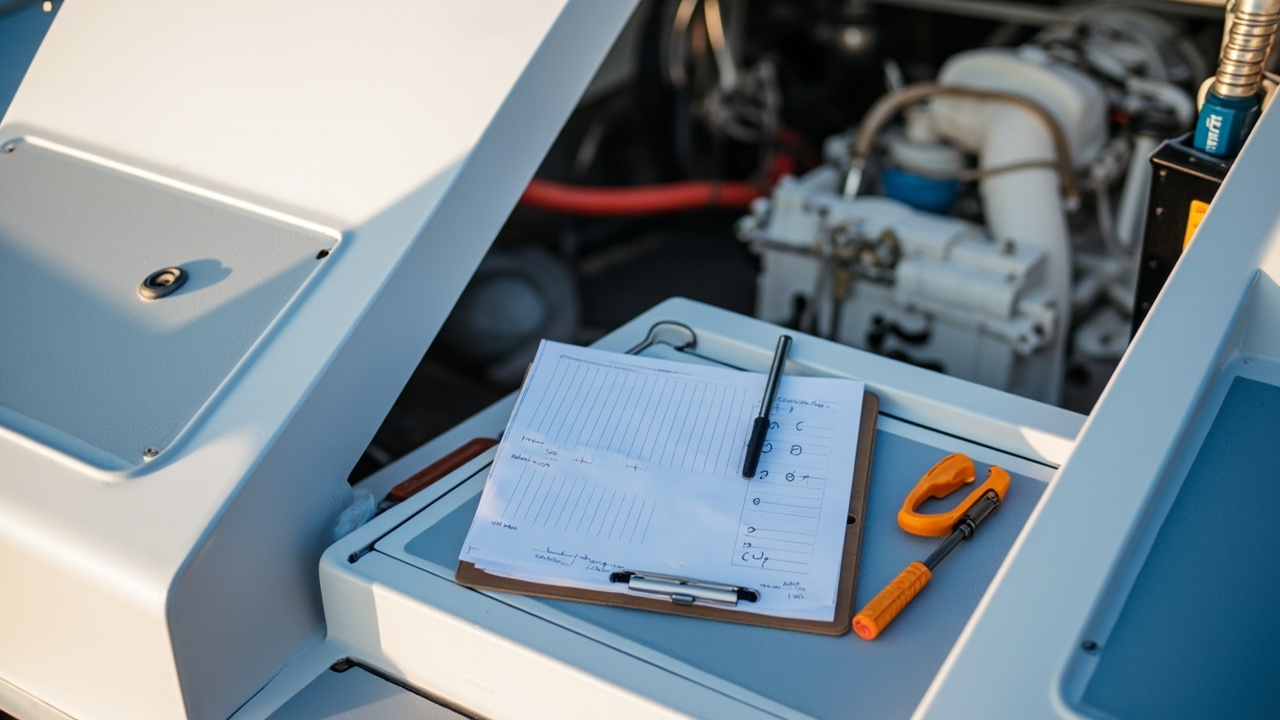
Heavy rain often reveals weaknesses that ordinary washdowns do not. Before the typhoon season, inspect hatches, windows, cockpit drains, engine-room access, bilge pumps and float switches. Batteries should be able to support essential systems, particularly if shore power is interrupted or deliberately disconnected.
H2: 72 hours before expected severe weather
H3: Remove loose equipment
Cushions, covers, water toys, paddle boards, removable tables, fishing gear and decorative items should be removed or properly secured. Many avoidable claims come from small items becoming airborne or striking glass, gelcoat, stainless fittings or neighbouring boats.
H3: Confirm power, fuel and access assumptions
Owners should not assume that shore power will remain stable throughout severe weather. Check battery state, charger settings, bilge alarms and whether fuel levels are sufficient for safe relocation after the storm if required. Any relocation decision should be made early and only when the route, weather window, crew and destination berth are suitable.
H3: Agree who makes decisions
A clear command chain is essential. If the owner, family members, captain and marina all issue separate instructions, confusion increases. A good yacht management plan defines who can authorise relocation, emergency works, contractor access and post-storm checks.
H2: After the storm: inspect before using the yacht
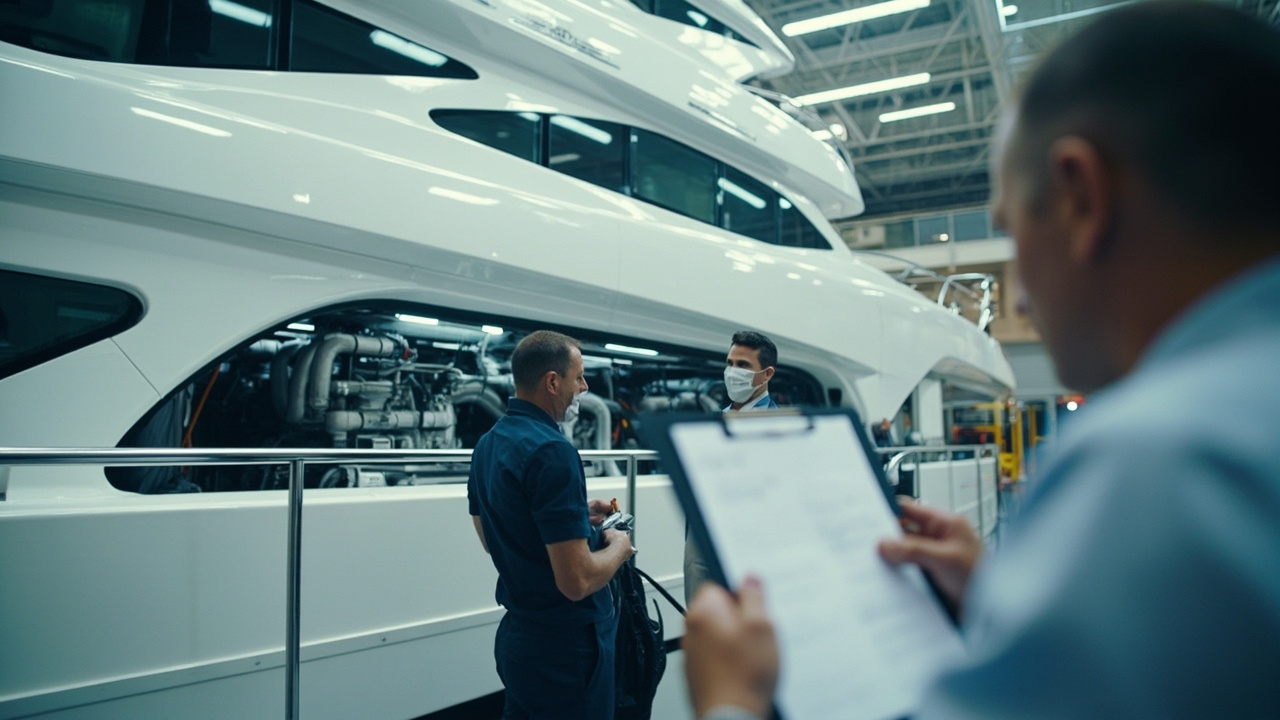
Once the weather has passed, the first step is not to resume boating immediately. Inspect mooring lines, fenders, hull contact points, windows, bilges, batteries, shore power, engines and navigation equipment. If there is water ingress, electrical smell, impact damage or abnormal battery behaviour, the yacht should be assessed before use.
FAQ
Q1: Is a marina berth automatically safe during a typhoon?
No. A marina berth may be professionally managed, but safety still depends on berth position, neighbouring boats, lines, fendering and the marina’s actual storm procedure.
Q2: Should every yacht be moved before a typhoon?
No. Moving a yacht can create its own risks. The decision should depend on weather, route, vessel condition, crew, destination berth and timing.
Q3: What records should owners keep?
Photos before and after the storm, inspection checklists, contractor reports, marina communication and insurance correspondence are all useful.
Related VOY resources
Official references
Want to discuss your yacht plan?
For yacht buying, management, maintenance, fractional ownership or charter planning, contact VOY Yachting on WhatsApp, scan our WeChat QR code, or email [email protected].