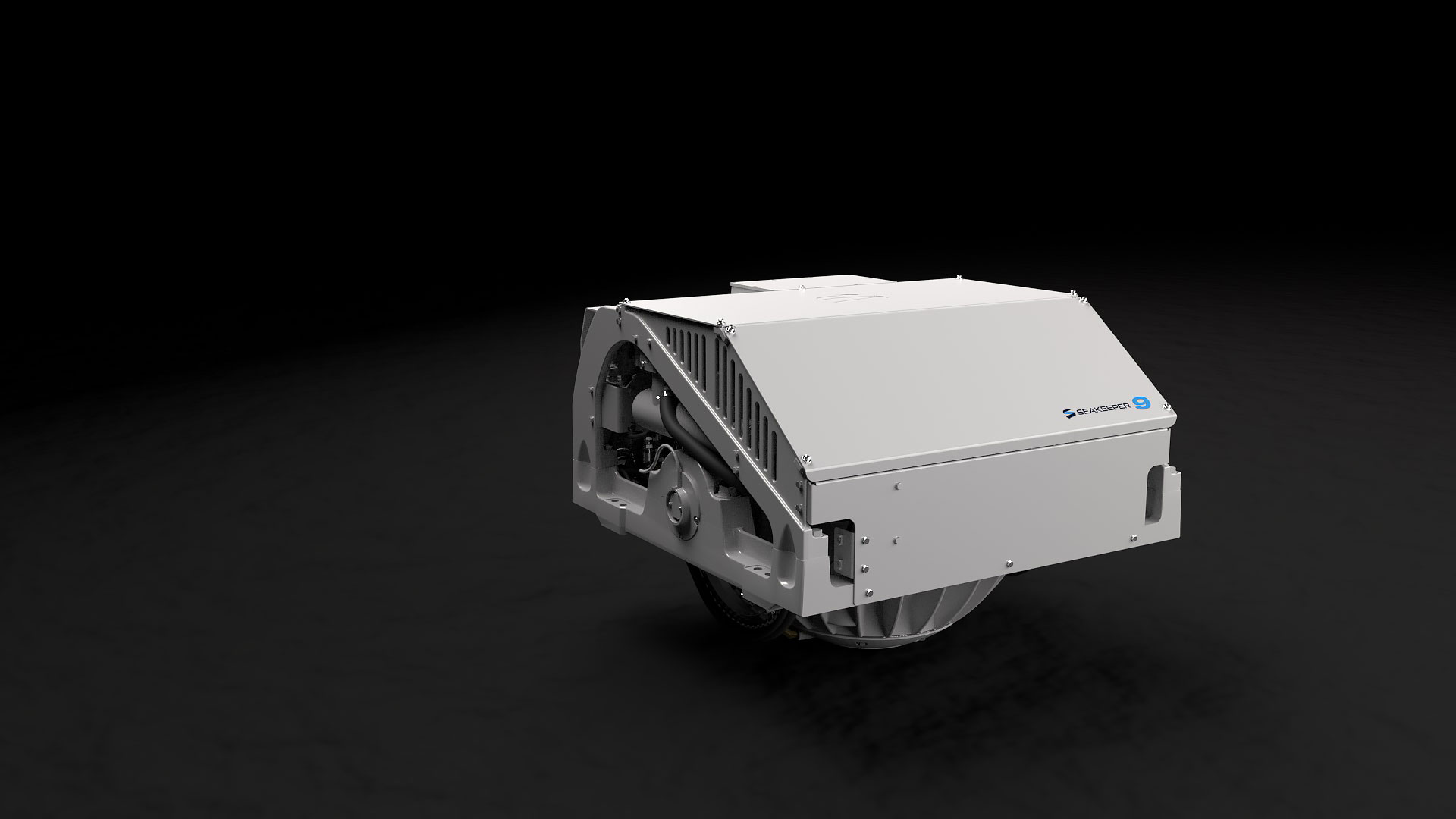

A gyro stabilizer reduces a yacht’s side-to-side roll by combining a spinning flywheel with controlled precession to generate an opposing torque. It does not depend on forward water flow to create that torque, so it can operate at anchor once ready, powered and within its operating conditions. Reducing roll does not mean eliminating every movement or fixing the boat in place.
Manufacturer views: casing, enclosure and gimbal
| Motion | What moves | Relation to gyro stabilisation |
|---|---|---|
| Roll | Alternating port/starboard tilt viewed from ahead | The primary motion targeted |
| Pitch | Bow and stern rise and fall relative to each other | Roll reduction does not mean pitch elimination |
| Heave | The whole boat moves vertically | A gyro does not hold the boat at a fixed height |
Keep three movements distinct
Which movement are you trying to reduce?
Roll is side-to-side leaning. Pitch is the bow and stern rising and falling alternately. Heave is the whole boat moving vertically. What passengers call “rocking” may combine several motions. A gyro stabilizer primarily addresses roll; it should not be treated as a device that removes pitch, heave or all impacts from waves. Manufacturer’s explanation of boat motions
Rotation and precession—not simply extra weight
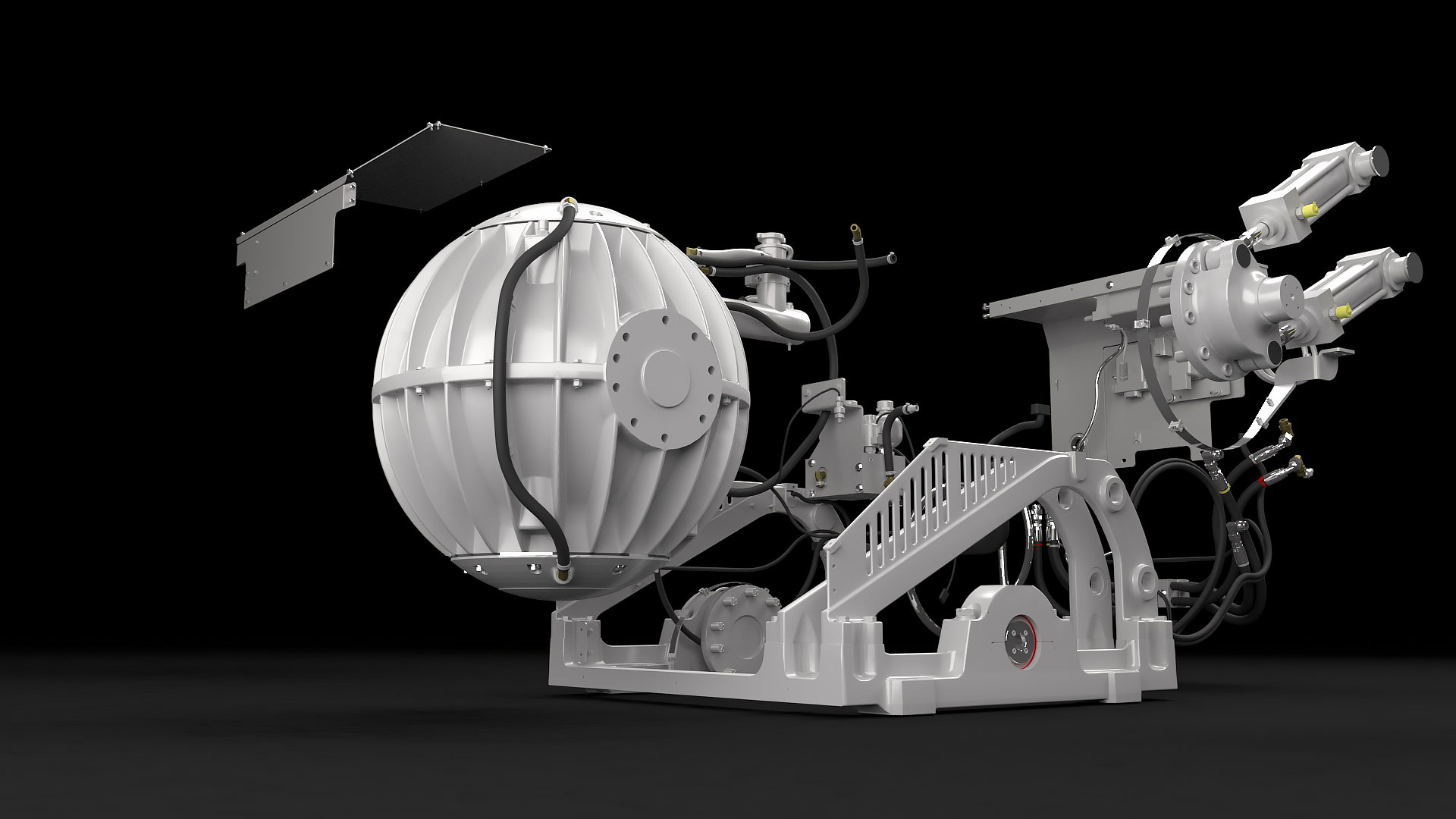
A fast-spinning flywheel carries angular momentum. It sits in a movable support assembly connected to the vessel’s structure. As the boat rolls, the assembly can rotate about another axis. This movement is called precession; combined with the flywheel’s angular momentum, it produces torque opposing roll.
In designs described by Seakeeper and VEEM, the assembly tilts fore and aft to develop its anti-roll action. Moving a heavy object back and forth is not equivalent: flywheel speed, angular momentum, mounting orientation and precession management work together. The details vary between manufacturers. Seakeeper explanation / VEEM explanation
Flywheel rotation → vessel roll → managed precession → anti-roll torque transmitted through the mounting structure.
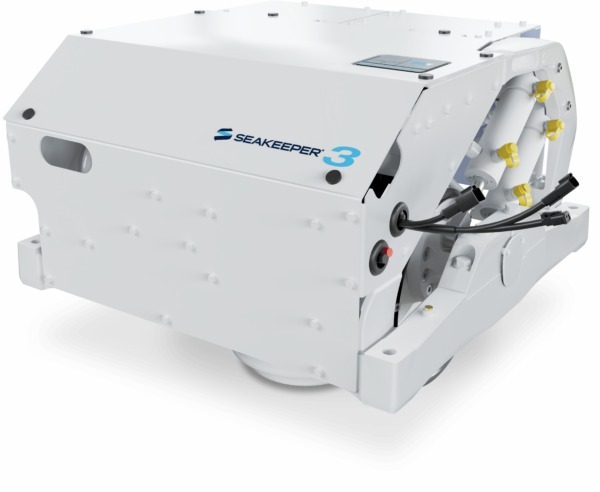
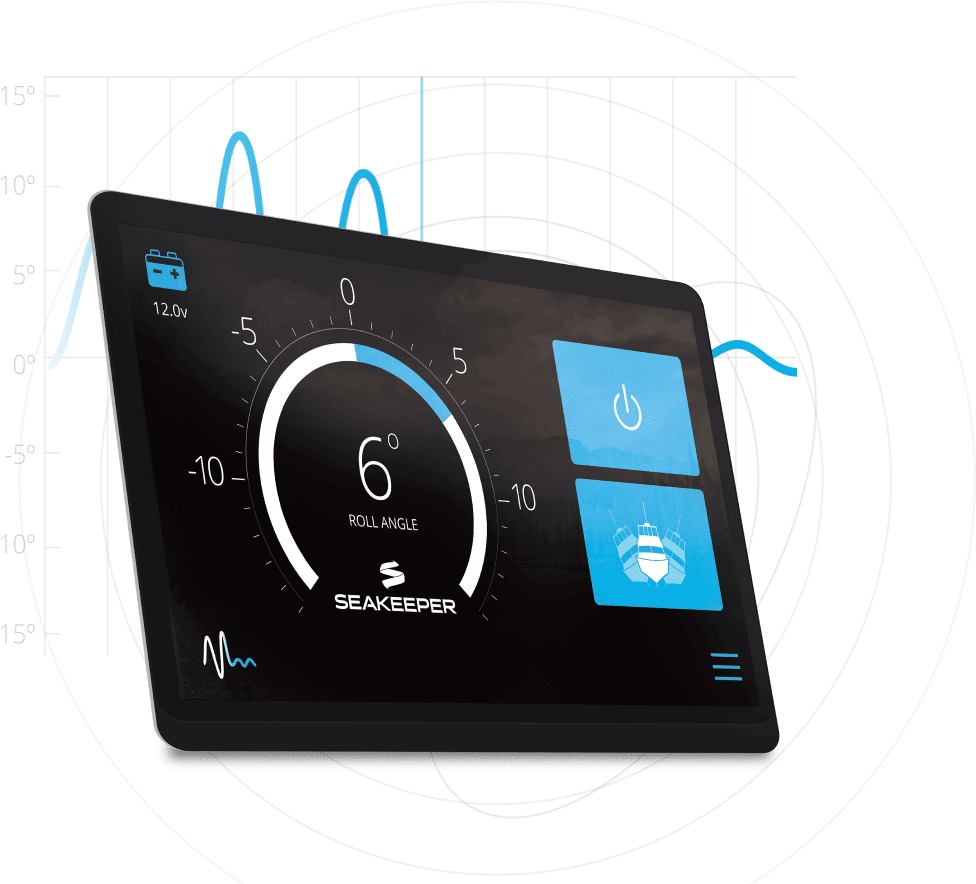
A reading sequence for an interacting mechanism, not four delayed events or an installation diagram.A named model and its operating display
At-anchor operation still requires readiness and power
The stabilizing torque comes from the rotating system aboard the vessel, rather than forward water flow. This makes the technology relevant to owners who spend time anchored for meals, fishing or waiting for guests.
However, the flywheel needs to spool up. Starting and steady-operation electrical demands differ. Turning off the main engine does not mean the gyro needs no electricity, and one rated power figure cannot establish all-day battery endurance. Assess the actual model, battery or generator arrangement and other onboard loads. Power and spool-up guidance
Why can a stabilized boat still move?
Every installation has finite torque and precession capacity. Displacement, weight distribution, sea conditions and equipment sizing affect results. A manufacturer’s headline maximum reduction is not a promise for every yacht in every sea state.
Check whether the remaining movement is roll or the bow pitching into waves. Continued discomfort alone does not establish an equipment fault. Meaningful comparisons should use similar conditions and vessel loading. VEEM’s capacity explanation
A retrofit needs more than an empty space
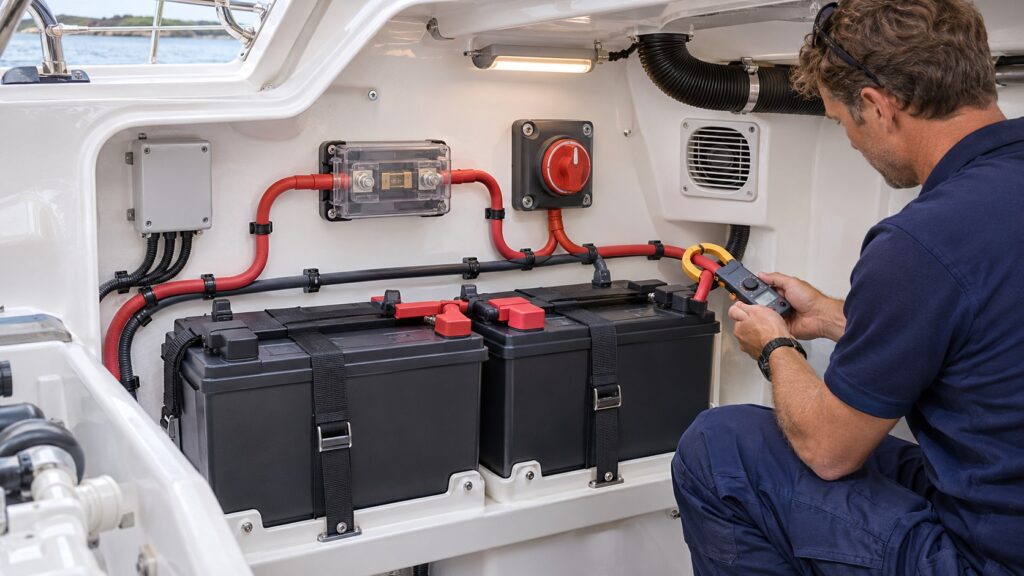
The unit transfers forces into the yacht, so its supporting structure matters. Assessment also includes weight, electrical supply, required cooling arrangements and service access. An available compartment alone is not sufficient. Seakeeper’s installation FAQ calls for structural, electrical and weight assessment. Installation considerations
For alarms, unusual noise or a sudden performance change, record the model, alarm code, operating load and sea conditions, then follow that model’s manual. Do not dismantle high-speed machinery or bypass its protection systems.
Start with the problem: identify whether you want less roll at anchor or less pounding underway, then seek a vessel-specific assessment from a qualified installer. For help coordinating existing-equipment records and maintenance needs, contact VOY.