

Northbound yacht maintenance can reduce cost and open up new Greater Bay Area options for Hong Kong owners. But the convenience only works when the yacht, crew, equipment and paperwork are properly prepared. The most expensive mistakes are often not technical repairs, but compliance errors that delay the trip or create avoidable risk.
This guide highlights five common issues owners should review before entering mainland waters for maintenance or yard work. It is designed as a practical checklist rather than legal advice; current authority requirements and individual vessel circumstances should always be checked before departure.
1. Electronic equipment data is not checked
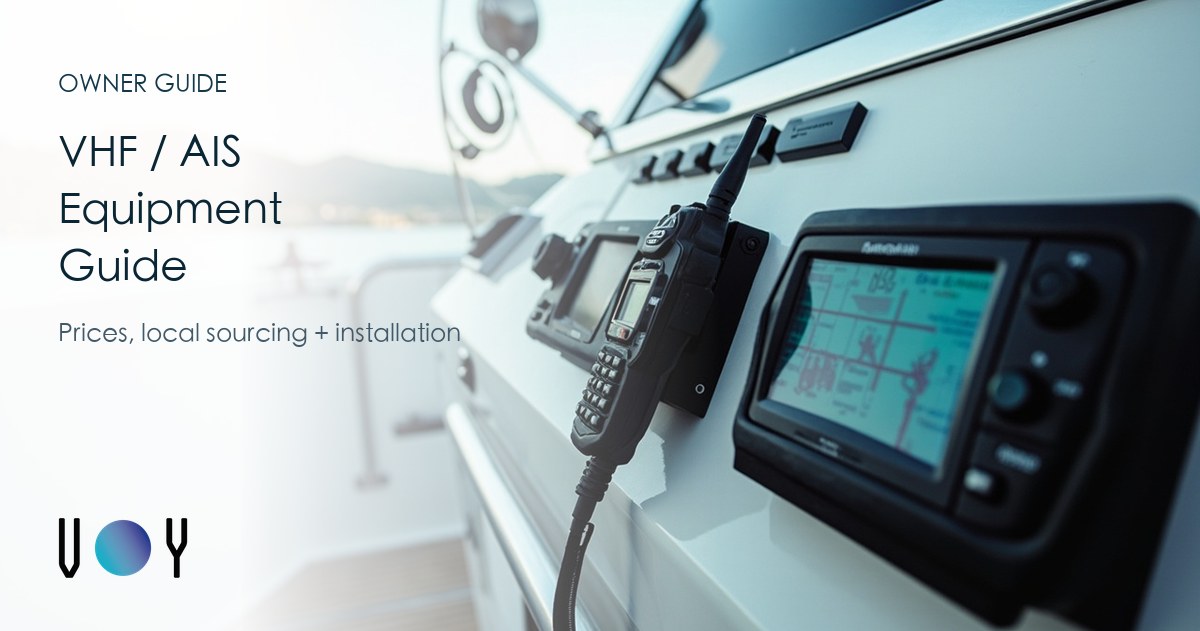
AIS, MMSI, VHF and chart-plotter information should not be treated as background details. If the yacht’s displayed identity, radio setup or route data is inconsistent, the vessel may be harder to identify or contact in busy cross-border waters. Owners should review the electronic identity of the vessel before departure, especially if equipment has been changed or the yacht has not travelled north before.
2. Customs and onboard items are assumed to be “personal use”
Owners sometimes carry spare parts, tools, wine, equipment or high-value items without thinking through declaration requirements. The risk is not simply delay. If an item is treated as undeclared goods rather than normal onboard property, the owner may face questions, tax issues or a disrupted maintenance schedule. A clear inventory and advance advice are safer than explaining after arrival.
3. Permit limits and cruising boundaries are misunderstood
A temporary permission or approved route should not be interpreted as freedom to cruise anywhere. Owners should understand the approved destination, validity period, route limits and any restricted or sensitive waters. Overstaying, changing destination casually or entering the wrong area can create unnecessary administrative risk.
4. Fuel and refuelling are not planned properly
Fuel arrangements can be more sensitive than owners expect. The source, receipt, permitted use and future refuelling plan should be understood before departure. For maintenance trips, the better approach is to plan fuel and range conservatively and avoid informal refuelling arrangements that cannot be documented.
5. Crew, passenger and owner records are inconsistent
Cross-border yacht movements involve both the vessel and the people onboard. Crew lists, passenger details, captain credentials, contact information and owner authorisation should match the intended journey. Small inconsistencies can create large delays if they are discovered at the wrong time.
| Risk | Owner action | Why it matters |
|---|---|---|
| AIS / VHF data | Check before departure | Improves identification and communication |
| Onboard items | Prepare inventory and advice | Avoids customs uncertainty |
| People records | Confirm crew and passenger details | Reduces border delays |
Q&A
Can I handle the process myself?
Some owners can, but the first northbound trip is often where mistakes happen. A structured checklist and current advice are strongly recommended.
What should I prepare first?
Start with yacht documents, insurance, crew information, equipment readiness, onboard inventory and the intended yard schedule.
Can VOY help identify risk before the trip?
VOY can help structure a practical readiness review for the yacht, route, people, documents and maintenance destination.

Check your northbound compliance readiness with VOY
WhatsApp: +852 5904 8455
Email: [email protected]
WeChat ID: voyyacht