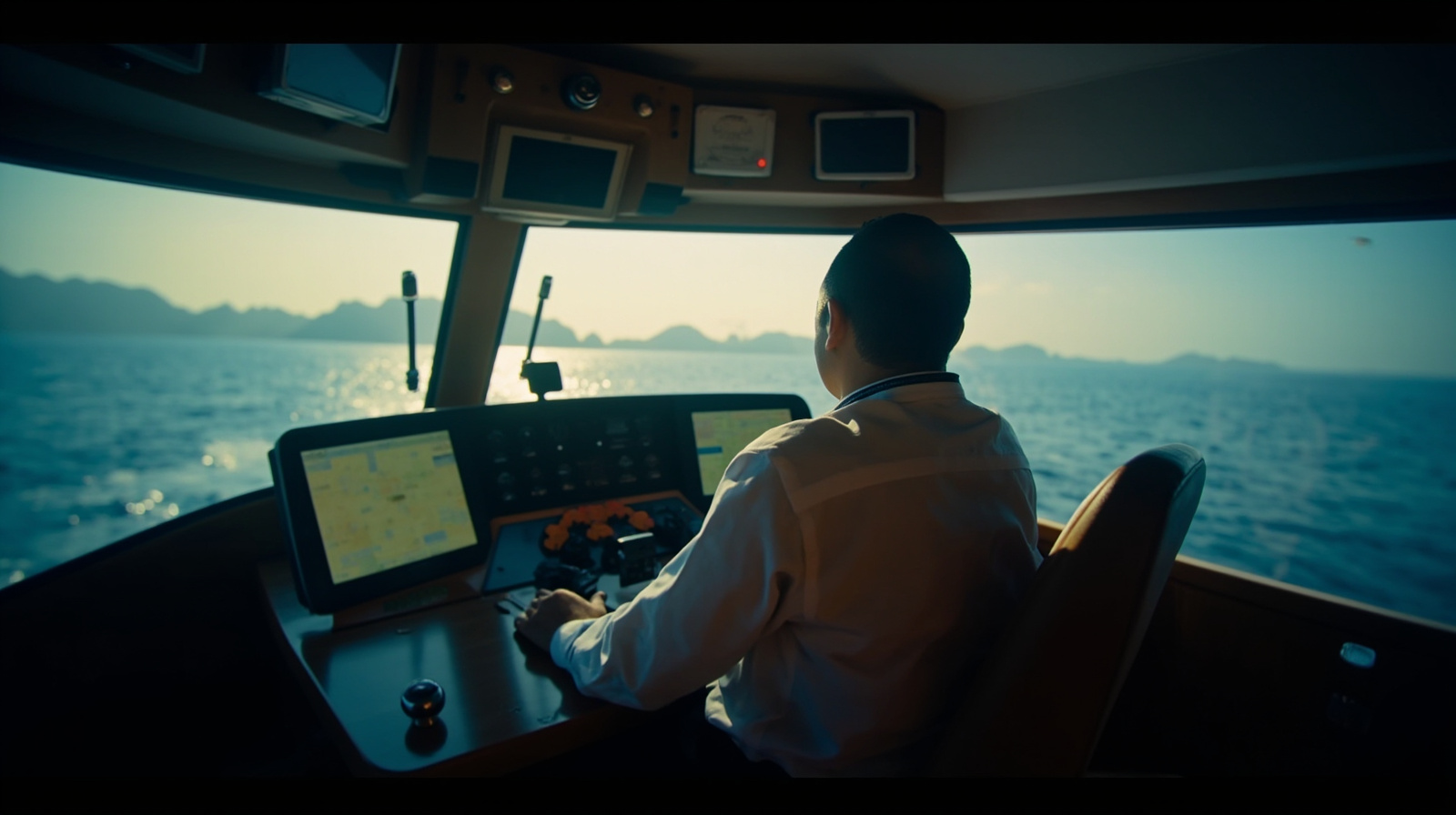

Safety at Sea Starts Before Departure
For any Hong Kong yacht heading north to Zhuhai or other Greater Bay Area waters, safety is the first priority. The voyage may appear short on the chart, but it involves busy commercial traffic lanes, changing weather, cross-border procedures, fisheries zones and operational risks that should not be underestimated.
VOY’s approach is to treat a northbound yacht movement as a managed marine operation, not a casual delivery trip. Experienced captains, pre-departure checks, digital monitoring and response coordination work together to create a safer and more predictable journey for owners.
1. Pre-departure Risk Planning
Good safety management begins on shore. Before a yacht departs, the team reviews vessel readiness, route conditions and compliance requirements so that avoidable problems are addressed before the yacht leaves the berth.
- Route review: The passage plan considers current marine notices, bridge zones, commercial traffic patterns and any temporary restrictions.
- Document and communication checks: AIS, MMSI, permits, crew documentation and contact channels are reviewed to reduce the risk of identification or clearance issues.
- Mechanical readiness: Engines, steering, fuel, batteries, bilge systems and essential equipment are checked before departure, with extra attention to older vessels or yachts that have been inactive.
2. Experienced Captains and Shore-side Monitoring
A qualified captain remains the most important safety factor on board. Technology supports the decision-making process, but it does not replace professional judgement. VOY combines captain-led navigation with shore-side oversight so that the yacht is not operating in isolation.
- Position awareness: The yacht’s progress can be monitored against the intended route, helping the team identify unusual delays or deviations.
- Weather support: Route-specific weather updates help the captain adjust speed, timing or heading when conditions change.
- Communication discipline: Clear check-in points and escalation contacts reduce confusion if a problem occurs during the passage.
3. Emergency Coordination and Contingency Planning
Even with careful planning, marine operations can be affected by machinery faults, medical issues, weather changes or regulatory questions. A proper support system should define who to contact, what information to provide and how to coordinate the next step.
| Scenario | VOY Support Focus |
|---|---|
| Mechanical failure | Coordinate towing, nearest safe port options and technical follow-up. |
| Weather deterioration | Support rerouting, delay decisions or shelter planning based on the captain’s assessment. |
| Border or compliance query | Provide documentation support and help clarify the vessel’s planned route and service purpose. |
4. Why Systematic Safety Matters
For owners, the value of a structured safety system is peace of mind. It reduces reliance on last-minute improvisation and turns a cross-border voyage into a managed process. The yacht, the captain, the shore team and the receiving facility all operate from the same plan.
This is especially important when a yacht is being delivered for maintenance. The owner may not be on board, but the asset still needs professional handling from departure to arrival.
Planning a safe northbound yacht movement?
Speak with VOY Yachting about captain delivery, compliance preparation, route planning and maintenance coordination for your yacht.
WeChat: voyyacht · Email: [email protected]