
How Hong Kong Yacht Owners Should Prepare Before Mainland Cruising should be treated as a vessel-readiness and clearance-preparation project, not only a route decision. A Hong Kong yacht owner should organise licence documents, insurance, maintenance records, operator arrangement, port-clearance papers and Mainland-side marina/service coordination before fixing a departure date.
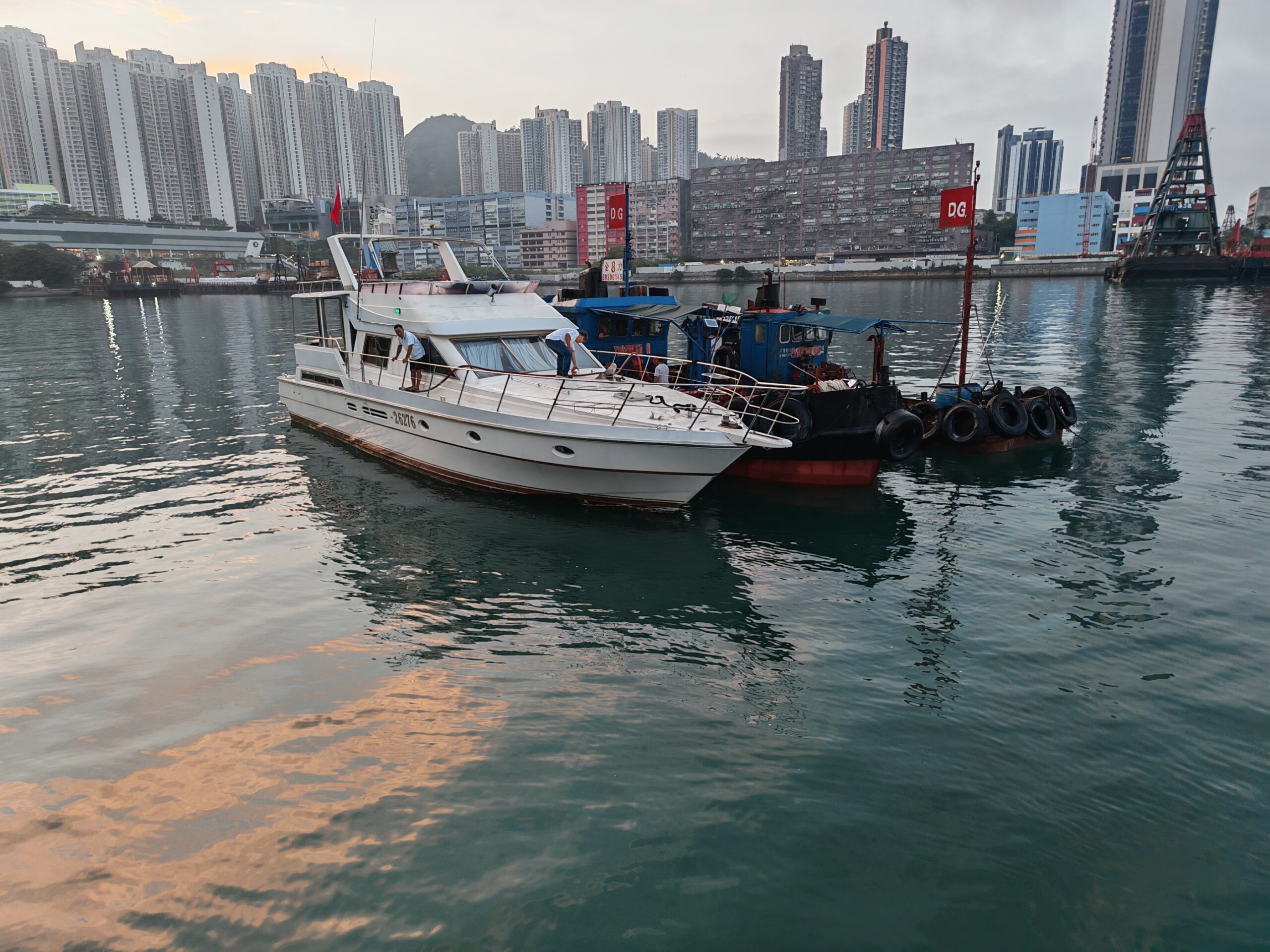
First principle: northbound cruising is a document-and-readiness workflow
For a Hong Kong pleasure vessel, cruising towards Mainland waters or arranging cross-boundary service support is different from a normal local weekend trip. The owner should confirm whether the vessel is properly licensed, insured, maintained and documented before discussing schedule, marina arrival or maintenance booking.
This is an owner-preparation guide, not legal advice. Final clearance, immigration, customs, local port and marina requirements should be checked with the relevant authorities and service providers before each trip.
Hong Kong Marine Department points owners should know
- Certificate of Ownership and Operating Licence: Marine Department’s local vessel licensing FAQ states that a pleasure vessel should obtain a Certificate of Ownership (COO) and an Operating Licence (OL) before operation in Hong Kong waters.
- Class IV pleasure vessel: pleasure vessels are Class IV vessels under the local licensing system; owners should know the vessel class/type, passenger limit, length overall and licence expiry before planning a cross-boundary movement.
- Third-party insurance: Marine Department’s pleasure vessel guidance refers to third party risk insurance of not less than HK$5,000,000. For northbound cruising, the owner should also check navigation area, Mainland waters, passenger/guest use and service-yard exclusions with the insurer.
- Operator competency: Marine Department states that a local pleasure vessel operator must hold the relevant certificate of competency. Grade 2 applies to pleasure vessels not more than 15m overall in Hong Kong waters; Grade 1 applies to any pleasure vessel operating in Hong Kong waters.
- Departure / clearance paperwork: Marine Department’s entry and clearance material for non-convention vessels refers to port clearance procedures and documents such as MD507, MD510 and MD518 in relevant circumstances. Owners should not leave paperwork to the morning of departure.
Practical document pack before a northbound trip
- Vessel identity: COO, OL, vessel name/number, class/type, length overall, gross tonnage if relevant, passenger limit and expiry dates.
- Insurance: current policy, third-party cover, navigation area, Mainland waters wording, crew/operator requirements and exclusions.
- Operator / crew: named coxswain/operator, certificate grade, ID/travel document readiness, emergency contact and route familiarity.
- Clearance forms: check whether MD507, MD510 and/or MD518 are required for the actual movement and prepare vessel, crew and destination details early.
- Maintenance records: engine service, batteries, pumps, steering, navigation lights, fire/safety appliances, bilge system, fuel system and known defects.
- Mainland-side arrangements: marina/service-yard booking, arrival window, berth confirmation, local contact, payment method, spare parts availability and return plan.
Maintenance checks before departure
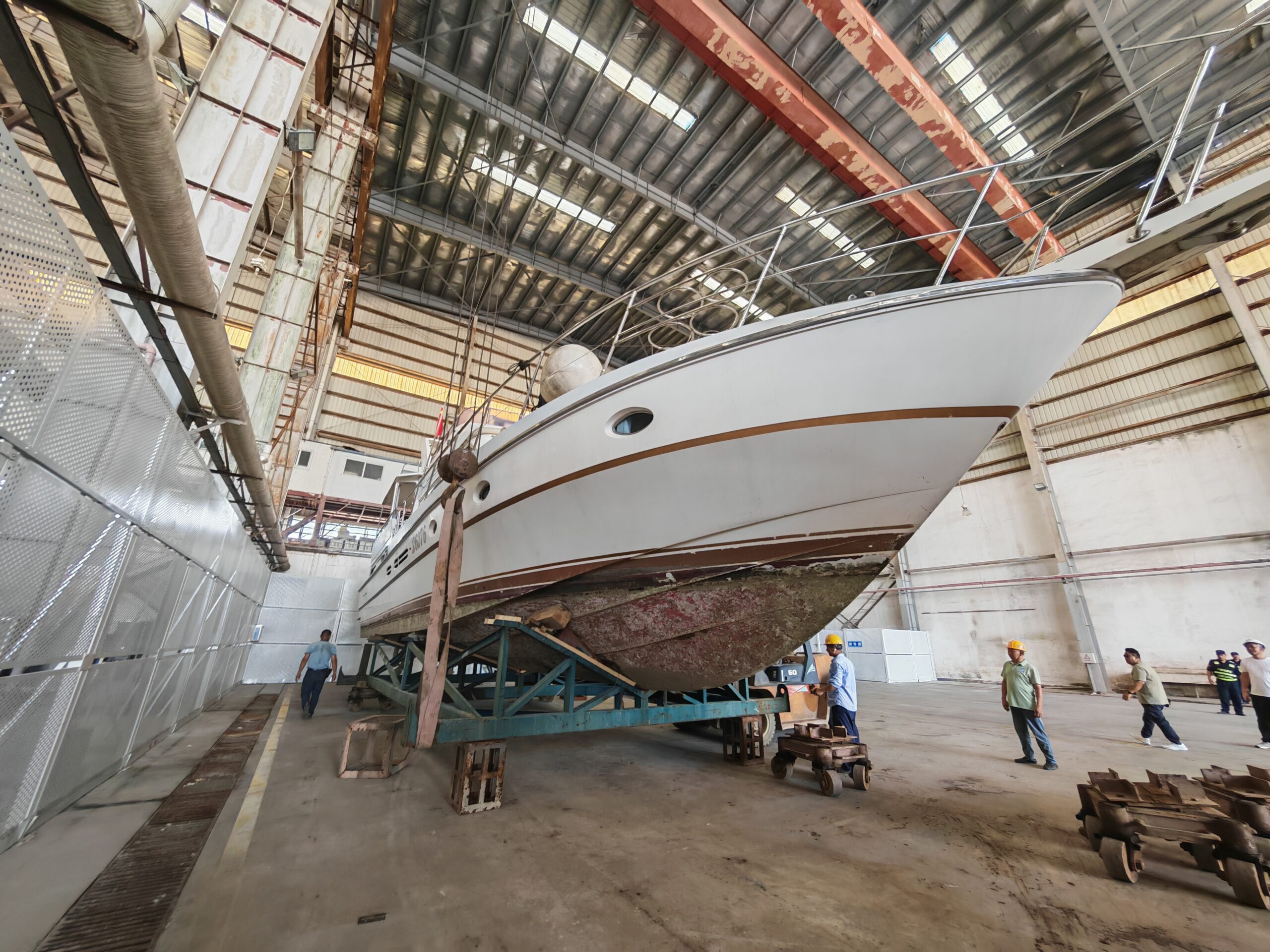
A northbound trip may expose issues that are tolerable in local waters but risky during cross-boundary movement. VOY recommends checking engine cooling, fuel quality, steering, batteries, bilge pumps, navigation lights, VHF/communication, anchors, fenders, mooring lines, fire extinguishers, lifejackets and toilets before departure. Photograph known defects and agree what must be fixed before the trip versus what can wait until the service stop.
A practical 6-step VOY workflow
- Document intake: gather COO, OL, insurance and operator information.
- Route and destination check: confirm intended destination, marina/service-yard contact, arrival window and return plan.
- Mechanical readiness review: identify must-fix items before departure.
- Clearance preparation: prepare forms, vessel particulars, crew details and supporting documents before the travel day.
- Mainland coordination: align berth, maintenance scope, local contact and payment/logistics.
- Post-trip record: keep photos, invoices and notes so the next cross-boundary movement is easier to plan.
Q&A for Hong Kong yacht owners
Can I simply sail north if the yacht is licensed in Hong Kong?
No. A valid COO/OL is only one part of the preparation. Owners should also check port clearance, crew/operator documents, insurance navigation area, Mainland-side berth/service arrangements and current authority requirements.
Which Marine Department forms may be relevant?
Depending on the movement, Marine Department materials refer to MD507, MD510 and MD518 for entry/clearance or sailing notice situations. Owners should verify the current requirement before the trip.
What insurance point is most often missed?
Owners often check the policy is valid but forget to confirm navigation area, Mainland waters, guest/passenger use, service-yard movement and named/operator conditions.
What maintenance records should I prepare?
Prepare recent engine service, battery, pump, steering, safety equipment, fuel, bilge and known-defect records. These help decide whether the yacht is safe to move and what should be done at the destination.
How can VOY help before the trip?
VOY can help organise the document checklist, pre-departure condition review, service-yard communication, maintenance priority and return-plan coordination.
Reference links
- Marine Department — Pleasure Vessels
- Marine Department — Licensing for Local Vessels FAQ
- Marine Department — Local pleasure vessel operators
- Marine Department — Entry and Clearance Procedures for Non-Convention Vessels / Visiting Pleasure Vessels PDF
- Marine Department — MD510 General Declaration form
- Marine Department — Public Forms
Further reading from VOY
Next step
Before fixing a northbound cruising or service date, send VOY the vessel licence details, insurance summary, recent maintenance records, intended destination and preferred timing. VOY can help turn this into a practical readiness and coordination checklist.