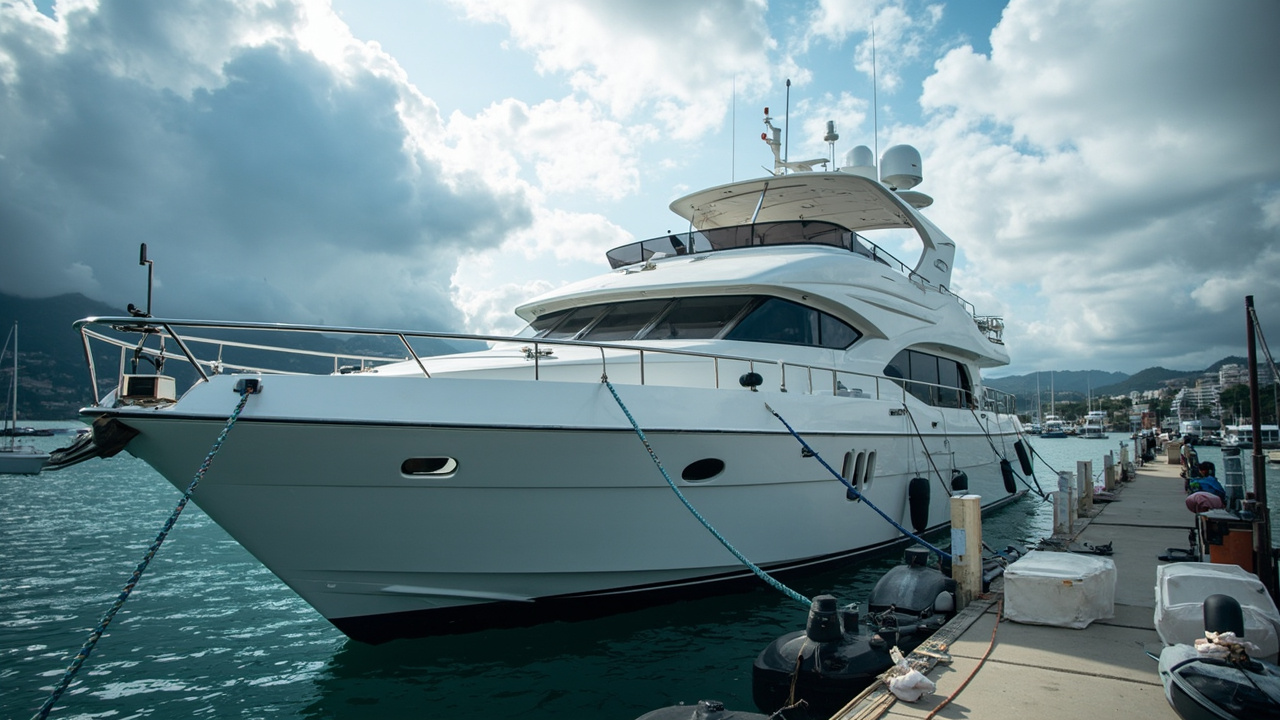

Shared Yacht, Charter or Full Ownership? A Practical Hong Kong Buyer’s Guide
Many people discover the yachting lifestyle through a birthday cruise, a family day at sea, a corporate event or a sunset gathering with friends. Once the experience becomes more than an occasional treat, the next question is practical: should you keep chartering, join a shared yacht ownership model, or buy your own yacht?
There is no single correct answer. The right model depends on how often you expect to use the yacht, how much flexibility you want, whether you enjoy ownership responsibility, and whether the yacht is primarily a lifestyle expense or a managed asset. VOY Yachting recommends starting with usage and management expectations before deciding on a structure.
Option one: yacht charter
Charter is the easiest way to enter the yachting lifestyle. You choose a date, yacht type, route, catering and guest count, and the operator handles the rest. It is ideal for people who go out a few times a year, want to try different yachts, or mainly need a yacht for birthdays, celebrations, client entertainment or special occasions.
The limitation is flexibility. Popular dates require early booking, the yacht may not be customised to your personal taste, and regular use can become expensive over time without building any ownership value. If you find yourself chartering monthly, it may be time to consider a different model.
Best for
- First-time yachting users;
- Occasional leisure or event use;
- People who want maximum simplicity;
- Users who do not want maintenance, berthing or management responsibility.
Option two: shared yacht ownership
Shared yacht ownership or managed co-ownership is designed for people who already know they enjoy yachting but do not necessarily want to buy and manage a yacht alone. Through shared cost, scheduled usage, professional management and clear operating rules, owners can access a more owner-like experience with a lower individual commitment.
The key is not only the entry cost. A good shared model should clearly define usage allocation, maintenance responsibility, exit arrangements, income distribution if the yacht is chartered, and transparency around repair budgets. Without good governance, shared ownership can become confusing. With the right structure, it can be a smart way to improve asset utilisation.
VOY’s managed ownership approach is built around the idea that a yacht should be enjoyable, ready to use and professionally maintained. For users with medium-frequency demand, shared ownership can be more consistent than one-off chartering and less demanding than full ownership.
Best for
- Users with regular but not unlimited yacht usage;
- Buyers who want to reduce full ownership pressure;
- People who accept scheduled access;
- Owners who prefer professional management and cost sharing.
Option three: full yacht ownership
Full ownership gives the highest level of control. The yacht, design, equipment, schedule, route, brand image and privacy are all yours. For families, entrepreneurs, companies and frequent users who value exclusivity and personalisation, full ownership remains the most direct route.
However, freedom comes with responsibility. Owners must plan for berthing, maintenance, insurance, licensing, crew, cleaning, repairs, typhoon arrangements and eventual resale. Without support, the yacht can become a list of tasks instead of a source of enjoyment.
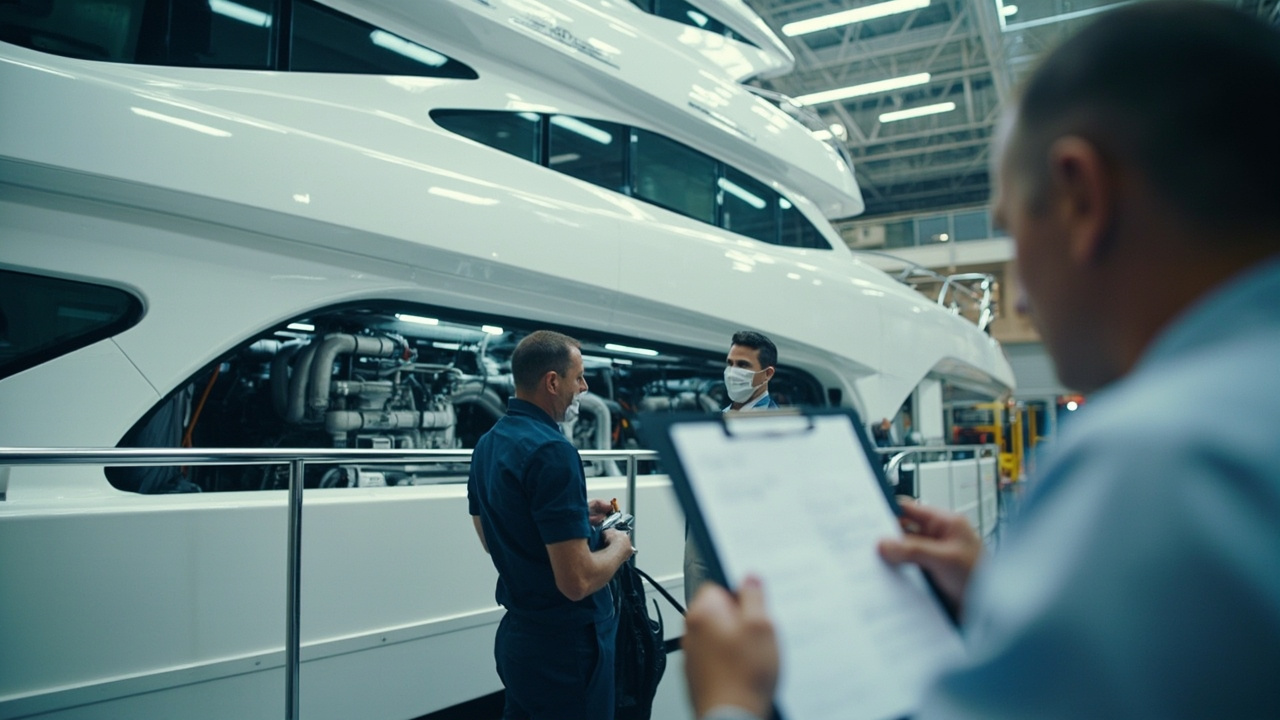
Full ownership does not mean self-management. A professional buyer’s advisor, surveyor and yacht management team can support the owner from purchase through operation, maintenance and possible charter use.
Best for
- Frequent users;
- Families or companies requiring privacy and exclusive access;
- Owners who want full control of yacht specification and schedule;
- Buyers willing to use a professional management team.
How to choose the right model
Start with usage frequency. If you go out three to five times a year, charter is likely the most flexible option. If you go out regularly each quarter or month, shared ownership may offer a better balance between cost and experience. If you require private access, customisation and long-term asset control, full ownership is the stronger option.
Next, consider management appetite. If you do not want to handle maintenance, crew, cleaning or berthing coordination, even full ownership should be paired with a management solution. Finally, consider whether the yacht should generate value through charter, shared use or corporate hospitality. If that matters, the operating model should be planned before purchase.
FAQ
Is shared yacht ownership only for people who cannot afford a yacht?
No. Shared ownership is about asset efficiency and lifestyle fit. It can be attractive to buyers who want controlled cost, higher utilisation and professional management.
What is the main difference between charter and shared ownership?
Charter is a single-use service. Shared ownership usually involves longer-term usage rights, cost sharing and a management structure, creating an experience closer to ownership.
Can VOY manage a yacht after purchase?
Yes, subject to yacht type, intended use and owner requirements. VOY can discuss management, maintenance, crew, charter and shared ownership structures.
Related VOY resources
Official references
Want to discuss your yacht plan?
For yacht buying, management, maintenance, fractional ownership or charter planning, contact VOY Yachting on WhatsApp, scan our WeChat QR code, or email [email protected].