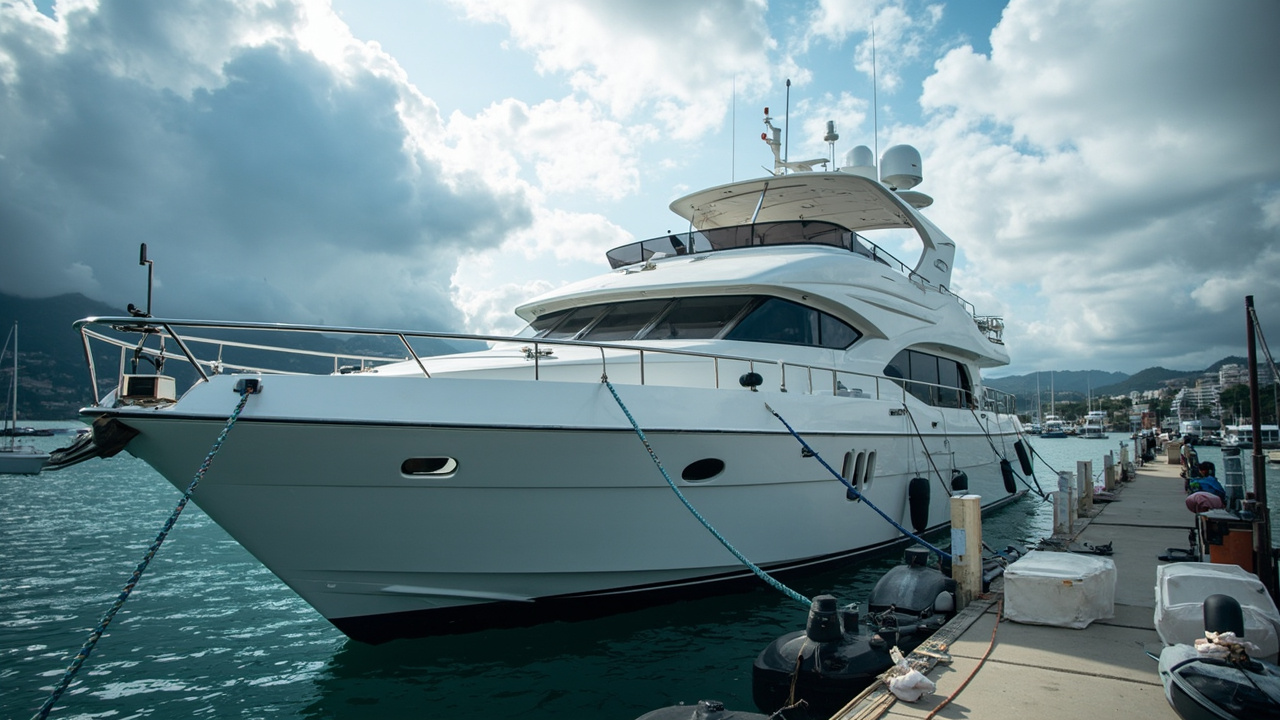

Yacht Management in Hong Kong: What a Monthly Inspection Should Cover
Owning a yacht in Hong Kong is not only about the day you go out. The real value of yacht management is created during the weeks when the yacht stays at berth. Humidity, salt, battery drain, bilge water, air-conditioning load, mooring-line wear and typhoon-season weather can turn small issues into costly repairs if nobody is checking regularly.
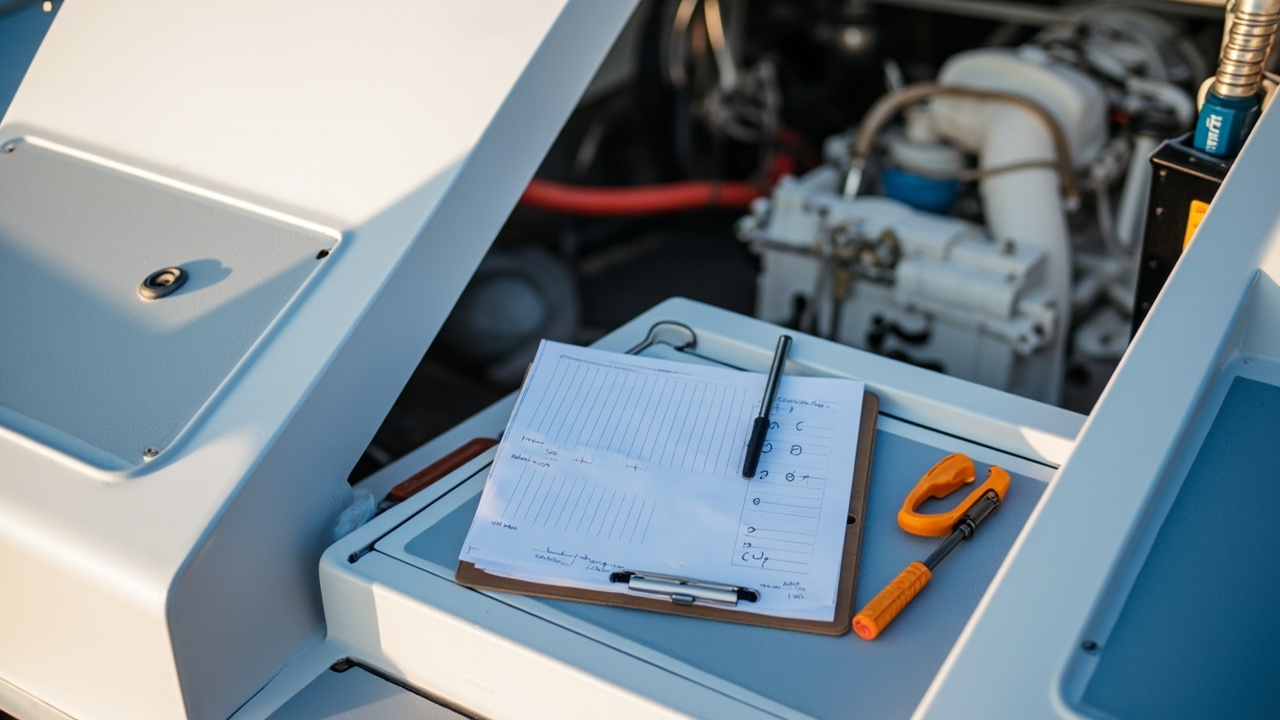
For VOY, yacht management is not simply cleaning. It is a structured risk-control process that helps owners keep their yacht in ready condition, reduce surprise repairs and plan maintenance before problems become urgent.
Why monthly inspections matter in Hong Kong
Many Hong Kong owners use their yachts intensively in certain seasons and very lightly in others. A boat may sit at the marina for weeks between family trips, corporate events or maintenance periods. During that time, systems continue to age and the marine environment continues to work against the vessel.
Monthly inspections create consistency. Instead of relying on memory or occasional visits, the owner receives a regular record of condition. This allows decisions to be based on evidence rather than assumptions.
Core items in a monthly yacht inspection
1. Batteries and shore power
Battery problems are among the most common hidden issues. A monthly inspection should check shore-power connection, charger status, battery voltage, corrosion at terminals, unusual heat, smell or signs of failure. For yachts that keep refrigeration, bilge pumps or monitoring systems on standby, electrical reliability is essential.
2. Bilges and pumps
Bilge water level, bilge pumps, float switches, alarms and hoses should be inspected. A small amount of water may come from rain, air-conditioning drainage or cleaning, but an unusual increase should be investigated. Finding water early is far cheaper than discovering it just before a planned trip.
3. Engine-room visual check
A monthly inspection is not the same as a full mechanical service, but it should include a visual engine-room check. Look for oil marks, salt deposits, coolant traces, loose hoses, belt wear, unusual smells or signs of leakage. These early signs help the owner decide whether a mechanic should be engaged.
4. Air-conditioning, freshwater and comfort systems
For family cruising in Hong Kong, comfort systems matter. Air-conditioning, freshwater pumps, heads, refrigeration, lighting and basic electronics all affect the guest experience. A yacht can technically run but still disappoint owners and guests if hotel systems fail on the day.
5. Mooring lines, fenders and berth condition
Lines can chafe, fenders can move and the angle of a berth can create unexpected contact points. Regular photo records of mooring lines, fender positions and hull clearance are especially useful before and after bad weather.
Monthly inspection versus pre-departure preparation
Monthly inspection is asset management. Pre-departure preparation is trip readiness. They overlap, but they are not the same.
A monthly inspection checks long-term condition. A pre-departure checklist confirms fuel, water, safety equipment, route, weather, crew arrangements, guest needs and operational readiness for the next outing. Owners benefit from both: one keeps the yacht healthy; the other makes the day run smoothly.
Extra attention before and after typhoon season weather
Hong Kong’s typhoon season adds another layer of risk. Before severe weather, owners should review mooring lines, fenders, covers, hatches, loose items, bilge-pump status and shore power. After heavy weather, the yacht should be checked for water ingress, impact marks, shifted fenders, damaged covers and abnormal electrical or mechanical behaviour.
What a useful management report should include
A yacht management report does not need to be complicated, but it should be clear. A useful monthly report normally includes:
- Date, location and inspector
- Item-by-item condition status
- Photos or short video records
- Issues requiring attention
- Suggested maintenance actions
- Priority level for follow-up
- Next steps if a third-party technician is needed
The owner should be able to read the report quickly and understand whether the yacht is normal, needs monitoring or requires action.
How VOY helps owners stay ahead
VOY can help owners create a practical management routine based on yacht size, berth location, usage pattern and upcoming plans. The goal is not to over-service the boat; it is to identify the right work at the right time and avoid last-minute stress.
For owners who travel frequently, share ownership with family, or plan occasional charter-style usage, a structured monthly inspection helps keep everyone aligned.
FAQ
Does a monthly inspection replace scheduled maintenance?
No. It monitors condition. Scheduled servicing should still be performed by suitable technicians according to equipment requirements.
Is yacht management useful if I rarely use the boat?
Yes. Lightly used yachts often benefit even more because inactivity can hide battery, bilge, humidity and system issues.
Can VOY help coordinate repairs?
VOY can assist depending on the agreed service scope. Owners should confirm quotation, timing and responsibility before work begins.
What is the biggest benefit of regular reporting?
It gives the owner visibility. Problems are easier to handle when they are documented early.
Related VOY resources
Official references
Want to discuss your yacht plan?
For yacht buying, management, maintenance, fractional ownership or charter planning, contact VOY Yachting on WhatsApp, scan our WeChat QR code, or email [email protected].