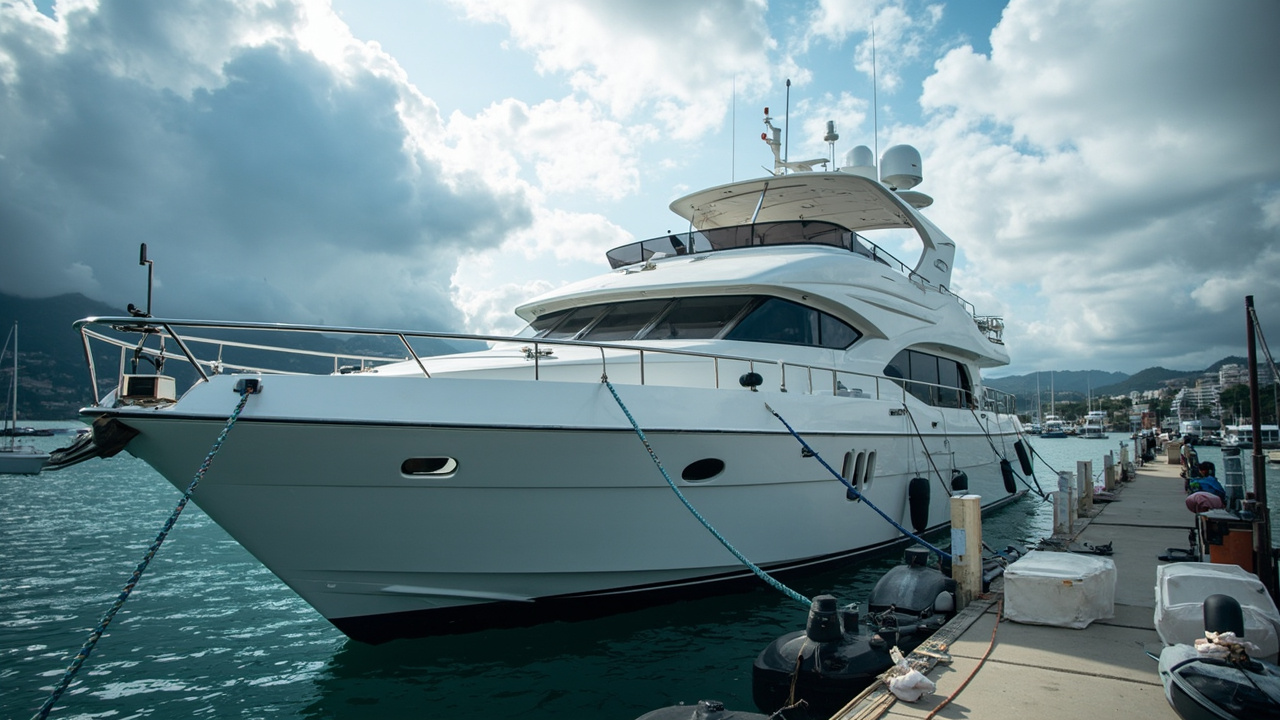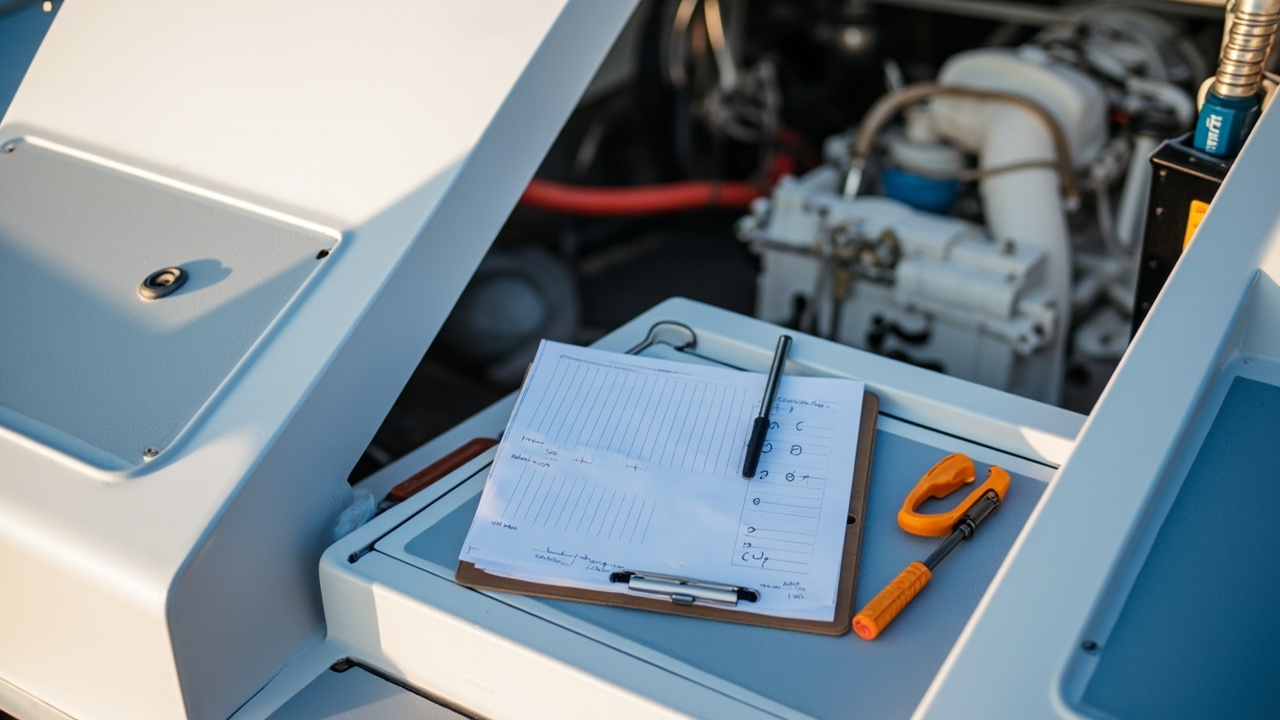

Yacht Maintenance Handover Checklist: What Owners Should Review Before Taking the Boat Back
When a yacht leaves the yard after maintenance, refit, bottom work or mechanical repair, owners naturally want to get back on the water quickly. But a professional handover is more than paying the invoice and collecting the keys. It should confirm the work scope, test results, documents, photos and follow-up actions.
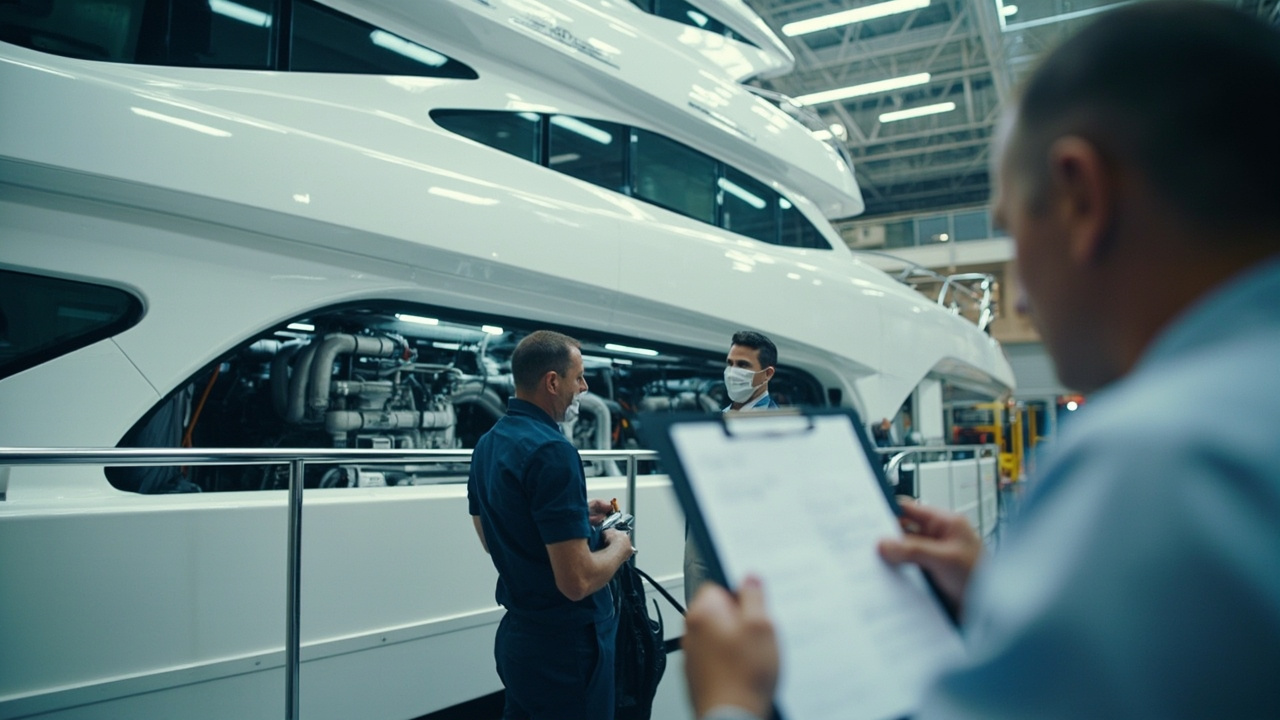
For Hong Kong owners using local yards or cross-border maintenance support, a clear handover process reduces misunderstanding and helps protect the value of the yacht.
Why a handover checklist matters
Yacht maintenance can involve multiple trades: antifouling, anodes, engines, generators, air-conditioning, electrical systems, interior work, teak, fibreglass, paint and hardware. Each item has a different completion standard. Without a checklist, it is difficult to know what was completed, what was changed, what remains under observation and what requires future work.
A handover checklist turns “the job is done” into a record that can be reviewed by the owner, manager, yard and technicians.
Start with the original scope of work
Compare against the quotation
The first step is to compare the final work with the original quotation or work order. Mark each item as completed, changed, cancelled or added. Any additional work should have a reason, cost and approval trail.
Separate repairs from recommendations
Some items are completed repairs. Some are routine service items. Others are recommendations for future attention. Owners should separate these categories clearly so they do not assume every issue has already been resolved.
Ask for before-and-after photos
Photos are especially useful for bottom work, engine-room repairs, bilges, pipework, interior joinery, paint and teak. They help with future maintenance, resale conversations and warranty discussions.
Sea trial and functional testing
Engines and generators
If the work involved engines, generators, cooling systems, fuel systems or drivetrain components, the owner should understand how testing was performed. During a sea trial, record starting behaviour, temperature, oil pressure, RPM, vibration, exhaust and alarms.
Hull, props and handling
After antifouling, propeller work, shaft work, stern-drive service or steering-related work, pay attention to speed, steering feel, vibration and unusual noise. Bottom work affects performance, not just appearance.
Comfort and hotel systems
Air-conditioning, battery chargers, refrigeration, freshwater pumps, heads and lighting should be tested if they were part of the work scope. Owners should not wait until the next family trip to discover that a comfort system has not recovered properly.
Documents every owner should request
A useful maintenance handover pack may include:
- Final work list
- Original quotation and approved variations
- Final invoice or payment record
- Before-and-after photos
- Sea trial or functional test notes
- Parts replaced
- Technician comments
- Warranty or workmanship notes where applicable
- Recommended next inspection or service date
This information is valuable not only for the current repair, but also for future ownership history.
Extra care for cross-border or remote yard work
When an owner is not present at the yard every day, communication becomes even more important. Cross-border maintenance, remote yard supervision or multi-stage refit work should have clear milestones, photo updates and a defined handover standard.
A third-party manager can help translate technical updates into owner-level decisions: what is urgent, what is cosmetic, what should be approved now and what can wait.
What to do in the first 7 to 14 days after handover
The handover is not the end of the process. After the yacht returns to normal use, owners should watch for leaks, unusual sounds, electrical instability, air-conditioning drainage, bilge-water changes, loose fittings or vibration. Some issues only appear after the boat has been used under real conditions.
A short follow-up trip or inspection within the first two weeks helps confirm whether the work has settled properly.
FAQ
Do I always need a sea trial after maintenance?
If work involved engines, drivetrain, steering, bottom work or critical systems, a sea trial or clearly documented functional test is recommended.
What should I do if I find defects at handover?
Record them with photos, create a snagging list and confirm responsibility, timeline and any cost implications before accepting completion.
Are photos really necessary?
Yes. Photos provide evidence, help future maintenance planning and support resale documentation.
Can VOY help with maintenance handover?
VOY can assist with coordination, photo records, checklist review and follow-up depending on the agreed service scope.
Related VOY resources
Official references
Want to discuss your yacht plan?
For yacht buying, management, maintenance, fractional ownership or charter planning, contact VOY Yachting on WhatsApp, scan our WeChat QR code, or email [email protected].